
The latest content marketing trends reveal that nearly every enterprise B2B marketer is increasing their content budgets, with a third raising spending significantly. This data comes from PathFactory’s Benchmark Report published in late 2025 surveying 388 B2B marketers, and the implications go far beyond simple budget growth for 2026.
In this article and accompanying Executive Signal Podcast linked below, I’ll share the data and the content trends and a data-informed strategy that will help you prioritize your 2026 content marketing budget.
Table of Contents
Anne Marie Kilgallon, who leads growth strategy at PathFactory, shared insights that challenge how most companies approach content. The trend happening right now isn’t simply spending more money to create content like previous years. Companies are rethinking everything from what content they create to how they measure success.
The data shows exactly what is important for CMOs to focus on today. Marketing teams are moving away from old practices that generated high lead volumes but poor results. Instead, they’re focusing on quality engagement that actually drives revenue. This represents a fundamental change in how B2B companies operate.
Why 2026 B2B Marketing Budgets Are Increasing
Marketing budgets rarely see this level of unanimous growth. When almost every enterprise company increases spending in the same category, something important is happening. The drivers behind these budget increases tell us where the industry is headed and what content marketing trends will dominate.
AI marketing tools represent a major factor in rising budgets, a key part of the content trends from the survey. Companies are investing in technology that can personalize content at scale. These aren’t simple automation tools. They’re AI engines that understand visitor behavior and deliver the right message at the right time.
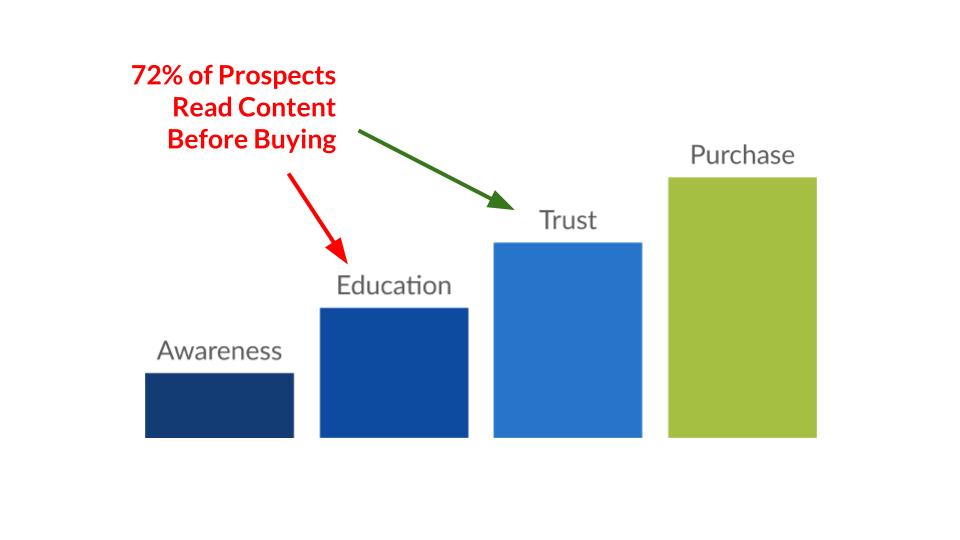
B2B buyers now expect the same experience they get as consumers. When someone visits your website, they expect instant recognition and relevant content. Manual processes can’t deliver this level of personalization. Technology has become mandatory, not optional.
The cost of these new tools requires larger budgets. Marketing teams also face a different challenge: determining which existing tools they can remove. Many companies are paying for multiple platforms that deliver overlapping functions. The goal is a consolidated tech stack that does more with fewer tools.
What Content Types Drive the Highest Engagement in 2026?
Understanding which content types drive engagement has become a science. PathFactory’s platform tracks how people consume content across all channels. The data reveals patterns that contradict common assumptions about content marketing trends.
Blog posts remain the most widely produced content type, with 74.5% of companies creating them regularly.
However, the word “blog” itself might hurt engagement. When companies label content as “best practices” or “how to” guides instead of blogs, click rates improve noticeably. You’ll see this in MakeMEDIA’s blog (I call ours Best Practices).
Anne Marie explained what makes B2B blog posts different: “It’s truly a story around a how-to, best practices, how might I make this product work with this environment.”
The engagement data tells an interesting story about where content marketing trends are heading in 2026. According to PathFactory’s benchmark data, blog posts make up 17.3% of content libraries but show relatively modest engagement metrics. Case studies (5.8% of libraries) and videos (13.4% of libraries) demonstrate higher binge rates, particularly among known visitors.
How to Match Content Formats to Distribution Channels

The answer depends on the channel. Webinars and case studies get delivered directly to email after someone signs up. They’re easy to consume in that format. Blog posts work better on social media platforms, especially LinkedIn. They’re also more searchable by AI models.
White papers and ebooks sit at the bottom in terms of production volume at 38.9% combined. This contradicts traditional B2B marketing wisdom. For years, white papers were considered premium content. The data shows people want narratives and business stories more than dense reports.
The format matters less than the value provided. Content must help someone take action or make a decision. Generic content that could apply to any company won’t drive engagement. Specific, tactical insights keep people consuming more content.
Tracking content engagement at the individual level reveals what topics interest specific personas. A CFO might prefer white papers while a marketing manager wants case studies. Understanding these patterns helps teams create the right mix of content types based on current content trends.
2025 Data Is Shaping 2026 Priorities
PathFactory analyzed actual content engagement data across their platform to establish performance benchmarks for different content types. These numbers provide realistic targets for your content strategy.
Content Engagement Benchmarks by Format
| Content Type | % of Library | Avg View Time (Overall) | Avg View Time (Known Visitors) | Avg View Time (Unknown Visitors) | Binge Rate (Known Visitors) | Binge Rate (Unknown Visitors) |
|---|---|---|---|---|---|---|
| Webinars | 6% | 3:05 | 4:55 | 1:06 | 11% | 5% |
| Demos | 2% | 3:01 | 4:15 | 1:48 | 21% | 15% |
| Ebooks | 5.3% | 2:31 | 3:22 | 1:40 | 12% | 6% |
| Blogs | 17.3% | 1:49 | 2:05 | 1:34 | 10% | 10% |
| White Papers | 5.7% | 2:30 | 3:09 | 1:52 | 11% | 9% |
| Case Studies | 5.8% | 1:46 | 2:26 | 1:07 | 15% | 9% |
| Videos | 13.4% | 2:12 | 3:08 | 1:16 | 21% | 12% |
Key content trends from this data:
- Known visitors spend dramatically more time with content than unknown visitors across all formats.
- Demos and videos show the highest binge rates for known visitors at 21%, making them powerful tools for engaged prospects.
- Blogs comprise the largest portion of content libraries at 17.3% but show modest engagement compared to other formats.
First-Party vs Third-Party Intent Data
Finding people who are ready to buy represents the biggest challenge in B2B marketing. Most prospects research anonymously before ever contacting a company. This creates what’s called “silent intent.”
Third-party intent data tells you when someone searches for topics related to your product. This information helps identify potential buyers. The data has limitations. It might be a month old by the time you receive it. The person might have already made a purchase elsewhere.
Timing makes all the difference. Research from SalesLoft shows that contacting someone within the first 30 minutes of their interest makes you 21 times more likely to convert them.

That's a whopping 21x, not 21%.

What this means: if you contact them a day later, they won't remember who you are!
First-party data from your own website provides much better signals. You can see what specific content an anonymous visitor consumes. You track how long they spend on each piece. You understand which topics interest them most.
The Fishing Lake Story: Understanding Data Differences
Anne Marie shared a story that illustrates the difference between third-party and first-party intent data. She compares it to fishing.
Third-party intent signals tell you there’s a great lake where you should fish. That’s helpful information. You know the general area to focus your efforts. Someone is out there interested in your category.
But that signal doesn’t tell you what kind of fish swim in that lake. You don’t know what bait to use. You can’t tell if you need a boat or can fish from shore. You have no idea about the depth or where the fish gather. You’re standing at the lake with general knowledge but no specific intelligence.
First-party data answers all those questions.
When someone visits your site multiple times and consumes content about security, then shifts to cloud transformation, then looks at 5G products, you’re watching their decision process unfold in real time.
You haven’t identified them yet, but you know what matters to them. This intelligence lets you personalize what you show them next. When they finally do identify themselves by filling out a form, you already know their interests. You can connect them with the right sales person who can discuss the right topics. You have the right bait, the right equipment, and you know exactly where to cast your line.
The Unwanted Sales Call: A Content Gating Cautionary Tale
Your gated content form must have a comment field – and your team needs to read it. This isn’t a new content trend, yet reveals why sales conversions can be out of sync with your lead generation expectations.
Anne Marie was researching a topic and needed information from a major enterprise software company. She found a white paper that looked helpful, but it sat behind a form. She filled out the required fields but added an important note in the comments section.

“Do not call me,” she typed clearly. “I am just doing research. I am not a prospect.”
She downloaded the PDF and started reading. Two minutes later, her phone rang. The number matched the company whose form she had just completed. She answered, already annoyed.
The sales development representative launched into his pitch. She interrupted him immediately.
“I wrote in the form that you shouldn’t call me,” she said. “I specifically told you I’m doing research and I’m not a lead. You’re wasting your time.”
The SDR paused. Then he said something that revealed a deeper problem with how many companies approach content marketing trends.
“I know,” he admitted. “I read your note. But I have to call every lead that comes in. I’m measured on the number of calls I make, not on whether the leads are qualified.”
This story illustrates what happens when companies prioritize activity metrics over results. The SDR wasted time on someone who would never buy. The prospect got annoyed and remembered the bad experience. The company generated meaningless call volume while missing real opportunities.
Best Practices for Gating B2B Content in 2026
Eighty-two and a half percent of marketers still gate content, and 65% report gated content generates 26-50% of their leads. The question isn’t whether to gate, but when and how. These content trends around gating continue to be a moving target based on the PathFactory report data.
Putting a form in front of every piece of content frustrates visitors. They leave immediately. With AI tools like ChatGPT, Perplexity, and Gemini available, people can find information elsewhere without filling out forms.

The New York Times provides a good model for content gating. They show you enough of an article to get you interested. Then they ask you to sign up. After you do, you get that full article plus access to more related content. You don’t hit another gate immediately. This approach respects the reader while still capturing leads.
Better gating lets people consume some content first. After they demonstrate genuine interest by spending time with multiple pieces, you offer something valuable in exchange for their information. Then you give them access to more content, not just one PDF. This aligns with content marketing trends that prioritize experience over extraction.
How to Measure Content Marketing ROI Properly
Vanity metrics like total leads generated no longer impress anyone, except those stuck using outdated strategies. Most marketing teams, perhaps yours too, now get measured on revenue contribution, not activity levels. This change started a few years ago represents one of the most important content marketing trends of recent years.
Oracle, Palo Alto Networks, and Cisco now track every touchpoint from first click to final sale. Systems connect to show exactly how marketing activities influence revenue. You need content for every customer journey stage.
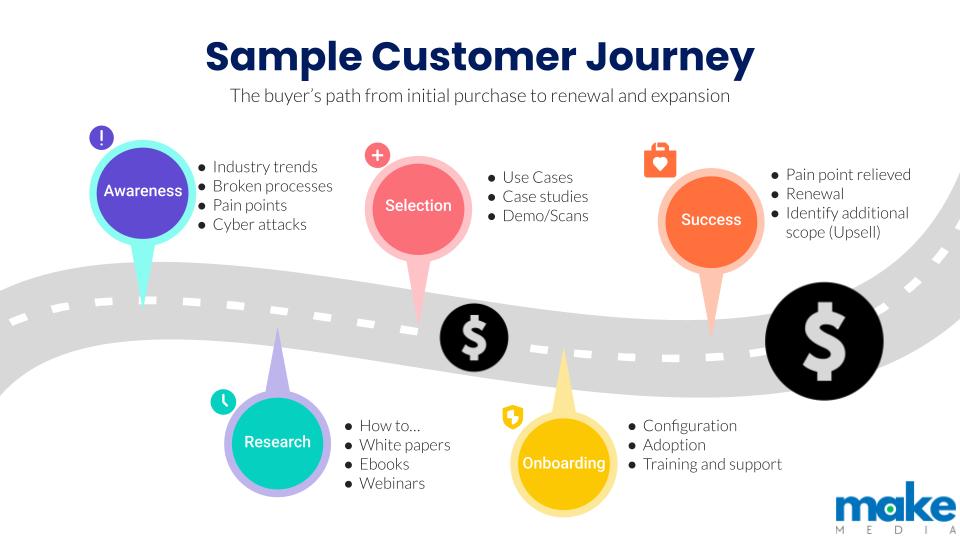
This visibility changes behavior. When you can see that certain content accelerates deal velocity by 30%, you create more of that content. When you notice that engaging with three specific pieces of content correlates with larger deal sizes, you guide prospects toward those pieces.
Eighty-six point nine percent of marketers now report being “very confident” in measuring content marketing ROI. This confidence comes from better systems and clearer connections between marketing actions and business results. Marketing is becoming a revenue growth function, not just a lead generation engine.
Top Three Ways Marketers Measure Content ROI
According to the PathFactory benchmark report, marketers prioritize these measurement approaches:
- Revenue impact (33%): The leading success metric focuses on direct contribution to pipeline and closed deals
- Lead quality and conversion rates (27%): Close behind revenue, quality trumps quantity in lead measurement
- Productivity metrics (20%): Time saved and efficiency gains rank third in importance
This prioritization signals a move from surface-level metrics toward business outcomes. The content trends show that CMOs are increasingly evaluated through a sales lens and their direct impact on pipeline, not vanity metrics like page views or downloads.
Content Trends: Creating AI-Ready Content
Content marketing trends now include a requirement that barely existed a year ago. Your content must work for both human readers and AI models. People use ChatGPT, Perplexity, and other AI tools to research before visiting your site.
If AI models can’t properly read and understand your content, you become invisible. These models don’t process content the same way Google’s search engine does. The technical requirements differ significantly.
Expert Deep Dive: AI SEO Best Practices

(Share this link with your marketing team - it's a goldmine of tactics)
Successful AI-ready content includes these elements:
- Lists and tables help AI models extract information easily
- FAQ sections provide clear question-and-answer pairs that models can reference directly
- Traditional paragraphs are harder for models to parse and cite
- Stories and examples differentiate your content from generic information
Stories still matter enormously. AI models train on content that already exists in their databases. Your unique customer stories, specific use cases, and original examples can’t be found elsewhere. This makes story-based content more valuable, not less.
How to Restructure Content for AI Search Engines
Anne Marie emphasized this shift in content trends: “If the consumer is changing, we have to change our marketing practices to meet the consumer where they are.”
The structure of your content needs updates for AI readability:
- Use proper heading tags (H1, H2, H3) to create clear content hierarchy
- Add descriptive alt text to all images
- Include structured data markup where applicable
- Create FAQ sections with clear question-and-answer pairs
- Use bullet points and numbered lists for easy scanning
- Write clear, concise sentences in active voice
- Add internal links to related content on your site
Companies that ignore this content marketing trend will fade from consideration. When someone asks an AI model for recommendations in your category, you won’t appear in the results. Your competitors who prepared their content properly will get all the visibility. This represents one of the most urgent content trends for 2026.
The data shows that buyers complete 90% of their research before talking to sales, according to recent McKinsey research. If you interrupt them too early, you lose the opportunity. If your content isn’t AI-ready during that research phase, you never enter consideration.
Why Executive-Led Content Drives Higher Conversion Rates

Executive-led content generates different results than traditional marketing content. People want to hear from leaders who have real expertise and authority. The approach requires care to work properly and represents an important shift in content marketing trends.
Executives shouldn’t hawk products. That immediately reduces their credibility and turns off prospects. Instead, executives should share their expertise about industry trends, strategic challenges, and market dynamics.
Google Cloud does this particularly well. They employ deep experts in logistics, mobility, and Internet of Things. These experts don’t sell products directly. They provide consultative insights that help prospects think through their strategic options. Sales teams follow up afterward to discuss specific products.
This consultative approach opens doors that sales calls cannot. When an executive provides genuine value through their expertise, prospects become receptive to learning more about that company’s offerings. The executive creates trust that the sales team can build upon.
The Benchmark Report Story: How Data Generates Enterprise Leads Fast
When I ran an email marketing company years ago, we faced the same challenge every B2B software company faces: how do you get prospects to pay attention? Our product worked well, but so did our competitors’ products. We needed a different approach that aligned with emerging content trends.
We started collecting data on email campaign performance across our customer base. We analyzed millions of emails to find patterns. When was the best day to send? What time generated the highest open rates? Which subject line formats drove clicks?
We compiled this information into a benchmark report. Then we did something different. We gave it away for free. No sales pitch. Just pure data and insights.
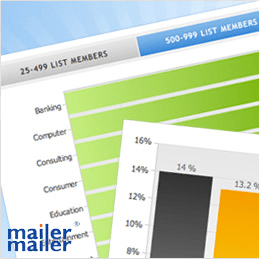
I started speaking at conferences about email marketing metrics. I never mentioned our product features. I talked about the data, the patterns we found, the strategies that worked best. The Direct Marketing Association found our research valuable enough to publish and distribute to their members.
Then DuPont called.
Then Toyota called.
Major enterprises wanted to talk. They didn’t ask for a sales presentation. They wanted to work with the company whose executive understood the industry deeply enough to educate others.
We were the first to publish this type of benchmark data in email marketing. That first-mover advantage helped, but the bigger lesson applies to any company. When you share genuine expertise without immediately asking for something in return, you build authority that translates into business opportunities. This approach has become one of the most effective content marketing trends.
The big content marketing trend we're seeing is that reports like this are amazing fodder for your executives and frankly all of your team members to talk about on social.
How to Implement Executive-Led Content Programs
When an executive shares a link to a benchmark report by your company, they are instantly conveying thought leadership. Executive participation takes several forms beyond blog posts:
- Direct outreach creates powerful personal connections with key prospects
- Thought leadership articles establish authority in industry publications
- Podcast appearances share insights in conversational formats
- Conference speaking demonstrates expertise to large audiences
- LinkedIn posts build following and engagement on social platforms
Board members and industry advisors can amplify this approach. These individuals bring additional expertise and credibility. They’re not selling anything, especially by simply sharing news about your company’s report, which makes their insights even more trusted. Their involvement signals that your company operates at a high level.
The content itself must deliver real value. Vague platitudes and obvious observations waste everyone’s time. Specific insights based on data, concrete examples from experience, and practical frameworks people can apply create lasting impact.
You can gate the content or leave it for anyone to grab. There are pros and cons and that hasn’t changed much as a content trend for 2026.
The Costco Sampling Analogy for Gated Content Strategy
Anne Marie shared another analogy that captures how content gating should work. She compared it to the free sample stations at Costco.

When you walk through Costco, you see sample stations set up throughout the store. They give you a small taste of a product. Not the whole package. Just enough to decide if you like it.
If you enjoy the sample, you’re more likely to buy the full product. If you don’t like it, Costco saved you from buying something you’d return anyway. Either way, the sample created a better experience.
Content gating should work the same way. Give people a taste of your content first. Let them see the quality and relevance. Then ask them to identify themselves to get the full piece plus access to more related content.
Most companies do the opposite. They guard everything behind forms. This is like Costco requiring you to fill out paperwork and talk to a sales person before you can try the free sample. Nobody would participate.
This approach to content trends recognizes that people need value before they’ll give you their information. The sample proves you have something worth their time.
5 Content Priorities for Marketing Plan Success
Your 2026 budget planning efforts require clear priorities. The data points toward specific investments that will generate the best returns. Here’s what the data shows in terms of where your marketing team can have the most impact based on current content marketing trends.
Priority 1: Build Your Data Foundation
Clean data enables everything else. Without good data, personalization fails, AI tools produce poor results, and measurement becomes impossible. Many companies skip this unglamorous work and wonder why their technology investments disappoint.
Start with data hygiene. Remove duplicates, standardize formats, validate email addresses, and enrich records with firmographic information. This foundation supports every other initiative.
Priority 2: Invest in Personalization at Scale
Manual personalization doesn’t scale. When you have thousands of prospects, you need AI-powered platforms that can analyze behavior and deliver relevant content automatically. These tools cost more than basic automation but deliver dramatically better results.
This includes enhancing your social media strategy, particularly on LinkedIn. Executive personal branding isn’t just all the rage. It’s moving the needle faster and cheaper than expensive ad spends.
Look for platforms that integrate with your existing tech stack and provide real-time personalization based on engagement signals. This represents one of the most important content trends for 2026, with 37% of marketers already using AI for content recommendations according to PathFactory’s data.
Priority 3: Connect Your Tech Stack Completely
Data must flow freely. When someone engages with content, that information should immediately reach your CRM, marketing automation platform, and analytics tools. Manual exports and imports create delays that cause you to miss opportunities.
Disconnected systems create blind spots. API integrations and data warehouses solve this problem. Every system should talk to every other system in real time.
Priority 4: Audit Content for AI Readability

AI detectors regularly get it wrong. Content libraries were created for human readers and search engines. AI models need different formatting and structure. This technical update work pays dividends as more buyers use AI tools for research. See our AI detector test results →
Review your top-performing content first. Add structured data, improve heading hierarchy, create FAQ sections, and ensure proper tagging. This aligns with the latest content trends around AI consumption, which 51.4% of marketers identify as their most exciting emerging trend.
Priority 5: Create Content for Every Journey Stage
Bottom-funnel focus limits growth. Too many companies create content exclusively for people ready to buy. That represents maybe 5% of your potential market. The other 95% is still researching and learning.
Content that serves earlier stages builds relationships that pay off later. Map your content to awareness, consideration, decision, and post-purchase stages. Each stage requires different formats and messaging.
Use MakeMEDIA's Persona Generator for Buyer Insights and Messaging Ideas
Anne Marie summarized these priorities: “You have to make sure we have the right data to be able to even drive any kind of engine. Make sure your data’s clean, make sure you have the right marketing tools to actually enable personalization at scale.”
Don’t Neglect Post-Purchase Content
The first six months after a purchase represent the best opportunity to expand accounts. Customers are engaged, learning your products, and open to hearing about additional capabilities. Most companies neglect this period entirely and miss easy expansion opportunities.
This represents low-hanging fruit that most marketing teams ignore. You already have the relationship. The customer already trusts you enough to buy once. They’re actively using your product and discovering what else they might need. This window closes quickly if you don’t act.
Surprising Content Trends in 2026
Digital channel saturation is driving some surprising content trends. Email inboxes overflow with marketing messages. Digital ads appear everywhere. People have developed sophisticated filtering mechanisms to ignore this noise. This has created space for older channels to return.
1. Direct Mail Returns as a Viable Channel
Physical mail stands out. When everything arrives digitally, a well-designed piece of mail creates impact. Companies are mailing content to prospects’ homes, not just offices. This works even with remote work becoming permanent for many employees.
Response rates for well-targeted direct mail campaigns now exceed email in some industries. The novelty factor combined with tangible presence creates stronger recall. This represents one of the most unexpected content trends emerging from practitioner discussions.
2. Events Resurge After Virtual Fatigue

In-person connections matter again. The face-to-face networking after years of virtual-only formats drives renewed interest in events. The relationship building that happens at events can’t be replicated online. Smart companies are investing in both hosting events and attending the right industry conferences.
Events also provide opportunities to capture first-party intent data. When someone attends your session or visits your booth, you know they have genuine interest. This signal is much stronger than a digital click.
3. Virtual Reality Shows Surprising Adoption
Twenty-three percent of marketers are exploring augmented or virtual reality experiences. This appeared as a surprise in the PathFactory data. The use cases remain unclear for most B2B applications. Companies experimenting with VR are using it for immersive product demonstrations and training rather than traditional marketing content.
The technology still faces barriers. Not many prospects own VR headsets. The content creation costs are high. Distribution remains challenging. But early adopters see potential for differentiation in crowded channels.
4. LinkedIn Dominates Social Distribution

LinkedIn remains the primary platform for B2B marketing. The platform’s algorithm favors content that generates genuine engagement through comments and shares. Executive voices perform particularly well on LinkedIn when they share authentic insights rather than promotional messages.
These content trends around channel selection show that both old and new channels can work. The key is matching the channel to your audience and message based on where they actually spend time and what format best serves your content.
Implementing These Content Marketing Trends in Your Organization
The content marketing trends data reveals clear patterns. Companies that act on these insights will pull ahead of competitors who stick with outdated approaches. The changes required aren’t small tweaks. They represent fundamental shifts in strategy and execution.
Focus on engagement over clicks.
According to PathFactory’s benchmarks, demos and videos show the highest binge rates at 21% for known visitors, compared to blogs at 10%. Case studies perform at 15% binge rates. These formats deserve more investment based on their engagement performance, though blog posts remain important for SEO and social media distribution serving different purposes.
Build first-party intent systems.
Anonymous visitors tell you what they care about through their content consumption. Technology can track these signals and trigger appropriate responses at the right time. This beats random outreach by 21x according to SalesLoft research on contact timing.
Restructure for AI consumption.
Lists, FAQs, clear headings, and proper tagging help AI tools understand and reference your content. Original stories and examples differentiate you from generic information AI models already know. This represents one of the most urgent content trends, with 51.4% of marketers excited about AI-generated content opportunities.
Deploy executives strategically.
Use executive voices as consultative experts rather than product promoters. This builds trust and opens doors that traditional sales approaches cannot. Support this with marketing execution and sales follow-up to convert interest into revenue.
Your 2026 Content Marketing Strategy

The companies that adapt quickly to these content marketing trends will dominate their markets. The ones that delay will watch opportunities flow to more prepared competitors. Your 2026 budget decisions should reflect these realities and the content trends shaping your industry.
You can create authentic high-performing content very quickly using MakeMEDIA. It’s designed for marketing teams that need to coordinate with executives to share thought leadership, activate their LinkedIn networks, and increase brand visibility.
