
When Will Fuentes posts on LinkedIn, he never pitches his sales coaching services. His approach is a masterclass in CEO thought leadership. He doesn’t sell. He doesn’t ask for meetings. He just shares lessons from client conversations, stories about coaching and his son’s football team, and occasionally something about Taylor Swift.
The result? Two to three qualified enterprise leads reach out to him every single week.
Table of Contents
Watch the full podcast of our conversation:
“The reality is I’m taking the experiences that I’m having, whether professional or personal, and bringing that into a newsletter,” Fuentes explains. “It resonates enough with people to say, ‘I want to talk to you.'”
Fuentes is the founder and managing partner of Maestro Group, a sales coaching company. Over the past year and a half, he has built one of the most effective approaches I’ve seen to building personal brand authority. What makes his method different is that he focuses entirely on helping people rather than promoting his company.
CEO Thought Leadership: Why Most Executives Struggle With Content Creation
Most executives face the same barriers when building their voice online. Time is limited. Writer’s block hits hard. The fear of putting yourself out there feels paralyzing.
See our executive guide: LinkedIn Content Strategy for CEOs and C-Suite Executives
I’ve spoken with dozens of executives through our MindShare networking group in the DC area. Many of them have already built successful companies and are working on their next venture. When I ask about their content strategy, the response is usually the same: they know they should be posting, but they can’t find the time or don’t know what to say.
One technical founder told me recently, “I can’t do what you do. I think about posting and I would rather just go back and start coding.” That resistance is exactly what makes CEO thought leadership examples so valuable. You don’t need to be a natural writer or have hours of free time. You need a system that works with your schedule and captures the authentic experiences you’re already having.
Understanding what works starts with looking at real CEO thought leadership examples from people who have cracked the code. Fuentes offers one of the clearest models because his approach is both systematic and authentic.
The Time Investment Behind Consistent Posts
Fuentes generates his weekly leads without spending massive amounts of time on content creation. His newsletter, Fuentes Fridays, takes him about 1.5 to 2 hours total over seven days. Individual LinkedIn posts take 30 minutes to an hour.
The secret is in how he approaches the work. Rather than sitting down with a blank page once a week, he captures content in real time as it happens. “As I go through the week, things are happening, and I just keep notes open,” he says. “I take screenshots of things that I find funny, and I just email them to myself.”
His newsletter follows a simple structure: What I Heard, What I Found Funny, a 40/20 section, Potpourri, and a quote he shared with his son that week. This framework solves the biggest problem most executives face: figuring out what to write about.
| Newsletter Section | Content Type | Source |
| What I Heard | Business insights from conversations | Client meetings, team discussions, executive calls |
| What I Found Funny | Humorous content | Screenshots, tweets, observations |
| 40/20 | Interesting articles or interviews | Industry content, podcasts, news |
| Potpourri | Miscellaneous valuable items | Various sources |
| Weekly Quote | Wisdom shared with his son | Personal reflections, lessons |
When you have categories to fill, you naturally start noticing moments throughout your week that fit. A conversation with a team member becomes “What I Heard.” Something that made you laugh becomes content. A lesson you’re teaching your kids reveals a business insight. This structured approach to CEO thought leadership removes the guesswork from content creation.
What To Share When You Build Your Voice Online
The structure Fuentes uses can work for any executive looking to establish their presence. Your strategy doesn’t need to be complicated. Start by creating categories that match your interests and expertise.
Here’s his five-category format for the Fuentes Fridays weekly newsletter:
- What you heard in conversations: Capture insights from client meetings, team discussions, or executive calls that revealed something valuable
- What made you laugh: Share humorous observations or content that brought joy to your week and might resonate with your audience
- Interesting content you consumed: Highlight articles, podcasts, or interviews that your network should know about (Fuentes calls this his 40/20 section)
- Miscellaneous valuable items: Include anything else worth sharing that doesn’t fit other categories
- Guiding principles: Share quotes or lessons that shaped your decisions this week
Keep notes open on your phone throughout the week. Screenshot things that catch your attention. Email yourself ideas as they come up. By the end of the week, you’ll have more than enough material for a post or newsletter.
On Thursday mornings, Fuentes sets aside time after his morning routine to write. He spends about an hour on the main section, then another 30 minutes refining the other categories or finding that perfect quote if he hasn’t identified one yet. Rachel, his editor, reviews everything to make sure it makes sense before publication.
This systematic approach transforms CEO thought leadership from an overwhelming task into a manageable weekly routine. But knowing what to share is only half the equation. The other half is understanding what types of stories actually connect with your audience.
CEO Thought Leadership Examples That Connect

The posts that perform best for Fuentes aren’t controversial hot takes or industry predictions. They’re common experiences that people can relate to. One of his most successful posts came from watching his son’s football team. He noticed how 11, 12, and 13-year-olds respond to tough coaching when it’s delivered with respect and genuine care for their development.
These young athletes showed remarkable resilience when they authentically believed their coach had their best interests at heart. The same principle applies to managing sales teams and coaching executives. You can be respectful while also being honest and direct about what someone needs to improve.
Another popular post discussed Taylor Swift running on a treadmill while singing her entire concert setlist. She did this at a 10-minute mile pace to figure out when she would get out of breath and whether she could hit certain notes while moving. The lesson about preparation resonated with thousands of readers.
Checklist for Executive Visibility →
“The reality is if you are open to learning, there are a lot of lessons being taught, whether it is in the business world, at your son’s game, or your daughter’s game,” Fuentes explains. “You just have to be open to accept them and then connect them.”
These CEO thought leadership examples show that business content doesn’t have to be purely about business. People connect with human experiences. They want to know how you think, what you notice, and how you connect different ideas together. Personal stories often carry the most powerful lessons, as I discovered early in my own career.
CEO Origin Stories: The Pizza That Taught Me About Apologies

I was 16 years old, standing behind the counter at Chuck E. Cheese on what felt like the longest shift of my young working life. The restaurant had asked me to work a double shift that day, ten hours straight of making pizzas and serving customers. By the evening, exhaustion had set in completely.
When a woman came to pick up her order, I reached for her pizza with tired arms. As I lifted it from the warming rack, my grip failed. The entire pizza dropped from my hands and landed squarely on my feet, cheese and toppings spreading across my shoes and the floor.
I looked up at the customer, mortified. “I am so sorry,” I said, my voice cracking with embarrassment. I apologized again and again, feeling terrible about the mistake and the wait she would now face for a replacement.
The woman’s response changed how I think about mistakes to this day. “Oh, honey, what happened?” she asked with genuine concern, not anger. Her kindness in that moment made me feel that everything was okay, even though I had just ruined her dinner.
That experience taught me how powerful a genuine apology can be. I still carry that lesson today in how I handle mistakes with clients and team members. When you take ownership and apologize sincerely, people often respond with understanding rather than anger.
Origin stories like this form the foundation of effective CEO thought leadership. They reveal the experiences that shaped your thinking and help readers understand your values. Fuentes has his own origin story that took him years to fully appreciate.
From Butcher Shop To Boardroom
Will Fuentes spent his teenage years working behind the counter at a butcher shop. At 17, he talked to customers from all walks of life, answering questions about which cut of meat worked best for a large party or what recipe someone should try when they didn’t have much time to watch the cooking.

For years, Fuentes considered it simply his favorite job of all time. He never connected those early experiences to his later success in sales coaching. Then one day, he watched an interview that changed his perspective entirely.
Bill McDermott, CEO of ServiceNow, was describing how he landed his first job at Xerox after working at a deli. “I was the only person interviewing that had talked to hundreds of people every single day figuring out what they needed, what they wanted,” McDermott explained in the interview.
The words hit Fuentes like a revelation. “It didn’t spark in my mind until I heard that interview,” Fuentes recalls. “Being there after school and talking to people at all walks of life and having to be an expert at 16 around what you are supposed to do with this cut of meat, that was a real seminal experience in my life about connecting with and understanding people in general.”
That thread has run through his entire career, from retail to starting his own company to running Maestro Group. He describes it as little grains of sand building on one another, each experience shaping who he became. The butcher shop taught him to listen, to understand what people really needed, and to explain solutions in ways they could understand.
Most people don’t give themselves enough credit for all the things that have happened to shape who they are. Others can benefit from you being open and sharing those experiences, whether they’re the same age, older, or younger. These personal stories become powerful CEO thought leadership examples when you connect them to the lessons they taught you.
The impact of these stories extends far beyond the people who visibly engage with your content. In fact, your most important readers may never like or comment at all.
Understanding The Invisible Audience That Drives Results
One of the biggest mistakes executives make is judging their CEO thought leadership success by likes and comments. Fuentes has had posts reach 100,000 to 150,000 views on LinkedIn. His Taylor Swift post alone generated approximately 30,000 views. But the real impact comes from people who never engage publicly.
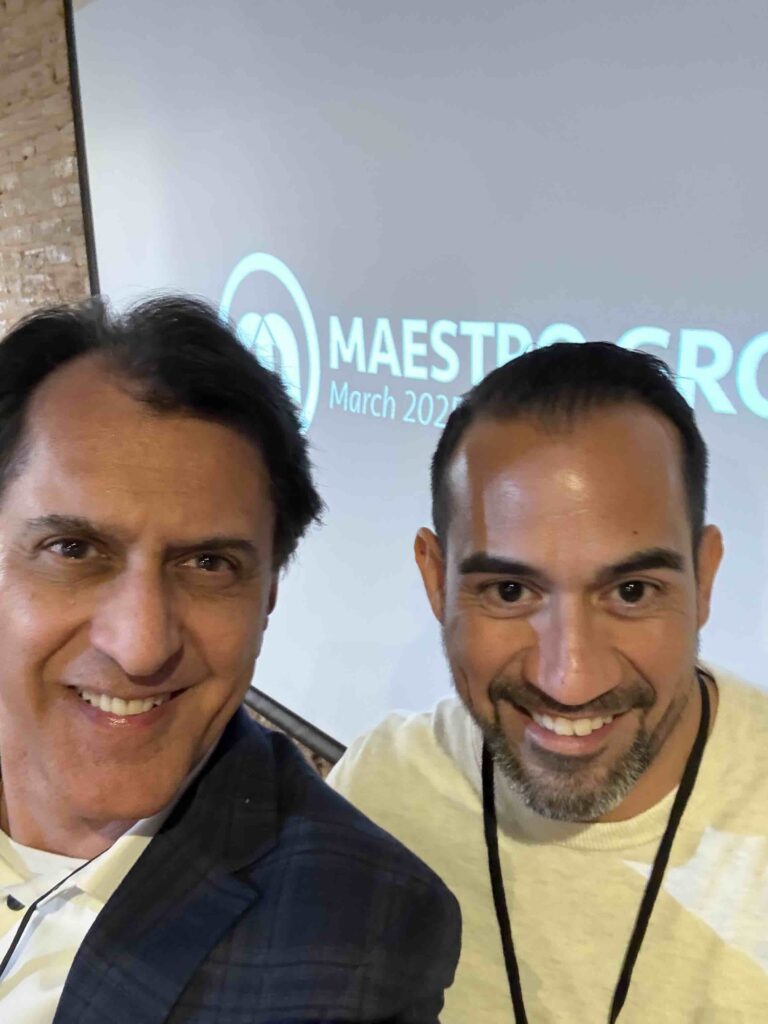
At a recent networking meeting, I had five people approach me about posts I had been sharing. One wanted to discuss something I had written that morning about struggling with vibe coding. He was a developer who related to the challenges I described. When I checked later, he had never liked or commented on any of my posts. He was reading everything silently.
Fuentes experiences this constantly. He once sat in a meeting with an executive from a very well-known venture capital firm. The VC executive referenced multiple things from Fuentes’ posts about his kid, about coaching, and about other topics. He had consumed the content for weeks or months without any visible engagement.
When leads do reach out, they’ve usually been reading for a while. Fuentes will ask which edition of his newsletter was their favorite. “They will be like, ‘Oh, you know, this one,’ or ‘I shared this one,’ or ‘You had this quote that I shared with my son,'” he says. “These are deep cuts. They have been reading this six, seven weeks or three weeks.”
He’ll check when they subscribed and discover they’ve been consuming his content for two months before reaching out. That familiarity creates a completely different type of sales conversation. The prospect already understands his personality, his company’s approach, and the value he provides.
This invisible audience represents the true power of consistent CEO thought leadership. But to earn their trust, you need to give value without asking for anything in return.
How The No-Pitch Approach Builds Authority
Most people expect sales pitches from sales coaches. Fuentes does the opposite. When he talks with potential clients, he gives away everything he knows. His company started a blog called Maestro Mastery four or five years ago with a simple goal: give readers everything they need to become master sales professionals.
They also offer free online courses that teach their complete methodology. The results speak for themselves. One account executive wrote to him saying they took the courses and got off their performance improvement plan. Another said they were finally hitting quota after completing the training. A third reported that their boss noticed significant improvement in their follow-up emails.
People often ask if he’s worried about others stealing his content. His response captures the essence of effective CEO thought leadership: “I hope they do. I hope that’s the impact that I have, that we have written or produced something that’s good enough for someone to want to take and that improves their life or improves their outcomes.”
This generosity extends to his sales conversations. He tells prospects upfront that he’s not going to pitch them. They’re skeptical because he’s in sales. Then after the conversation, they’re surprised he actually meant it. His philosophy is simple: sales training is hard work, just like getting in top physical shape or following a strict diet. You could do it yourself. But having someone else deliver the results while you focus on other parts of your business is often more valuable.
This no-pitch approach to CEO thought leadership builds trust faster than any traditional sales tactic. When you help people without asking for anything in return, they remember. When they’re ready to buy, you’re the obvious choice. But even the most generous approach can amplify further when your entire team participates.
Building CEO Thought Leadership Through Team Content
Individual efforts create impact. When your entire team shares valuable content, the effect multiplies. Fuentes encourages his team to engage with the content he creates because they have networks outside of his connections.

His Chief Client Officer, Mike Valade, recently decided to build his own executive presence after working with Fuentes at four different companies over 20 years. “Often we go into engagements and it is Will, and then there is a backup band,” Fuentes admits. But Mike works directly with sales development reps and account executives on the ground. He has deep expertise worth sharing.
Mike committed to writing twice a week. Some of his posts have been remarkably insightful. When prospects mention reading his Chief Client Officer’s recent post and sharing it with their team, Will knows the strategy is working. People see that the company has depth and talent beyond just the founder. For smaller organizations competing against bigger brands, this collective approach to CEO thought leadership becomes even more important.
Yet even with a team supporting you, the personal commitment to show up consistently remains the hardest part. That commitment often gets tested in moments of doubt, like the morning of Fuentes’ first major conference.
A Son’s Card Before The Big Conference
The morning of Maestro Group’s first conference arrived after almost nine years in business. Will Fuentes woke up feeling nervous. The weight of the event pressed on him as he went through his morning routine. If this conference failed, what would it mean? Not just the expense, but the time and labor. He had brought his entire team together, all of them believing they could pull this off.
His mind raced with doubts. Then his son handed him a card. Inside, his son had written a quote that Fuentes himself had given before every single one of his son’s football games that season: “No moment is bigger than you. You are bigger than every moment. Go and do your best.”

Will stood there holding the card, struck by the reversal. He writes a card with a quote for his son every single morning without fail. He never misses a day, even on vacation. When he travels, he pre-writes cards and leaves them in dated envelopes with dates marked for when his son should open them.
He had written thousands upon thousands of cards over the years. In that moment before the conference, he realized his son remembered this stuff. The daily practice of sharing wisdom had come full circle. His son was now giving him the strength he needed for his own big moment.
The conference turned out to be packed with value. Fuentes repeated one phrase throughout the two days: “The genius is in the room.” He wasn’t telling people to listen to him. He was encouraging them to learn from each other. That philosophy came from painful experience earlier in his career when arrogance prevented him from hearing the wisdom around him.
This story illustrates a deeper fact about CEO thought leadership: the fear of failure never completely goes away, even after you’ve built a successful track record. But understanding that fear helps you push through it.
And by the way, that’s the human story that others want to read. It’s what connects a CEO to their audience.
Overcoming The Fear That Stops Most Executives
Even experienced content creators feel uncertain about posting. Fuentes still questions whether his business advice is good enough to share, even after posting consistently for over a year and a half and publishing more than 70 newsletter issues without missing a single week, including during holidays.
Content Goal: Give readers everything they need to become master sales professionals - free.
Many executives face an even bigger fear. They’ve built successful companies and developed confidence in their abilities. But asking them to put their perspective out into the public creates immediate resistance. “The minute you ask them to put their perspective out into the world, it is like, ‘Oh, no, no, no. I don’t know if I want to do that,'” Fuentes observes.
The fear is simple: if I do this and I fail, then what am I? If I write this and no one responds, then am I as unique or as talented as I thought I was? His advice is direct. You wouldn’t be where you are today without some unique perspective or skill that you can share.
A post with no engagement doesn’t determine your success. Building an audience takes time. For the technical founder who told me he’d rather code than post, I shared a simple insight: that feeling of resistance is your story. Talk about that exact emotion because thousands of other technical founders feel the same way.
Once you overcome that fear and start posting consistently, the next question becomes how to make your CEO thought leadership drive actual business results.
Making Content Work For Business Development
Content should do more than build your personal brand. It should create tangible business opportunities. For smaller companies, strong CEO thought leadership can level the playing field against competitors with bigger marketing budgets.

When a sales rep from Fuentes’ company calls a prospect, there’s often already familiarity. The prospect has read his content, like his newsletter Fuentes Fridays, understands the company’s science-based approach, and knows their perspective. Fuentes advises his clients to think about content as a sales tool.
When you call someone and they say it’s not the right time, you can offer to send them a relevant post your CEO wrote that’s resonating with other people in their role. No commitment required. Just value. That creates a meaningful touchpoint instead of another generic follow-up.
The ROI takes time, though. Building authority requires consistency over months, not days. Fuentes posted consistently for months before seeing regular lead flow. Now those 2 to 3 qualified leads arrive every week from people who have been reading his content for weeks or months. He has published 73 to 74 consecutive weekly issues of his newsletter and posts on LinkedIn approximately four times per week.
This consistent CEO thought leadership creates compound returns over time. Each post adds to your body of work, building credibility and trust with your invisible audience. But all of this effort can be undermined if you take shortcuts with artificial intelligence.
Start Building Your Voice Today
Don’t worry about going viral or getting thousands of likes. Focus on providing value to the invisible audience that’s reading without engaging. Those are often the people who will become your best clients and advocates.
Remember that building authority through CEO thought leadership takes time to generate results. Give away your best ideas freely. Help people without asking for anything in return. When they’re ready to work with someone, they’ll remember who provided value when they needed it most.
And if you feel fear before hitting the post button, know that even people who have published 70+ consecutive newsletters still feel that uncertainty. Post anyway. The genius is in the room, and that includes you.
MakeMEDIA can help. It interviews you on topics you know. You simply answer by talking and it creates rock solid drafts, saving you hours of time.
